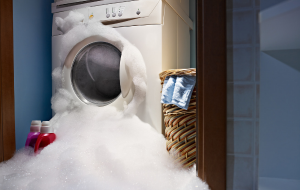
 Did you know that washing machines are one of the main sources of water damage to homes? Others that top the list include hot water heaters and dishwashers. Fortunately, there are a few easy and inexpensive steps you can take help to prevent these types of losses:
- Check for leaks: Thoroughly check the area around appliances for any signs of leaking every four months.
- Check supply hoses: Check the supply hoses regularly to ensure a tight connection, and no breaks or tears. It’s a good idea to replace supply hoses for washing machines and dishwashers every five years even if there are no signs of wear. Sometimes, wear only shows on the inside. Reinforced, steel braided hoses are recommended.
- Read the manual: Always refer to your manufacturer’s guidelines for types of soap and load recommendations for the washing machine and dishwasher. Most new washing machines require HE detergents.
- Flush your water heater: It is recommended to flush your water heater once per year to ensure you have fresh water and to remove sediment.
- Don’t leave running appliances unattended. Try to only operate washing machines and dishwashers when someone is at home.
- Replace hot water heater as needed. It’s recommended to replace the hot water heater when it is nearing the end of its life expectancy, even if there aren’t any problems. As the water heater ages, the risk of a slow leak or sudden burst increases.
- Leak detection systems are a great tool to monitor your appliances, and even automatically shut off water in the event of a detected leak. While there are expenses with a leak detection system, it might just score you a discount on your homeowners policy! Leak detection systems can be added to individual appliances or an entire house.
Of course, not all losses can be prevented, but following these tips should lower your chances of a loss. In the event of a water leak, it is important to know where your water shut-off valve is located so that water can quickly be turned off to minimize damage.
 After the holiday season, many like to start the New Year by organizing new gifts and purchases and cleaning out the closets. As each year goes by and your needs continue to change, it’s easy to forget to update your insurance policy in the process. There is no better time than now to make sure both your new, as well as old belongings, are insured properly on your homeowners policy.
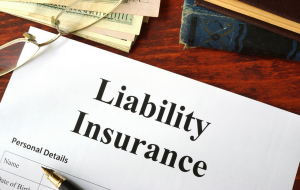 When discussing and rating homeowner insurance policies, personal liability coverage is often an afterthought. Insurance companies and insurance agents don’t always take the time to explain what it is and what it covers. Don’t fall into the trap of thinking personal liability coverage isn’t important. It most certainly is!
 Having worked in the insurance industry for ten years, I have received many calls, e-mails, and texts from friends and family regarding their insurance needs. I am more than happy to assist where I can, but my conversations with them seem to always end with one question, “Do you have an independent agent?” Like many not in the insurance industry, insurance can be an unknown. It’s something that you know you need to have, but don’t fully understand how it works. It’s an intangible product that you pay for every year and hope to never use. Here are three reasons I believe working with an independent agent is the best option for purchasing insurance.
  Dog ownership is very common in the United States, and a dog is more of a family member than a pet. Dogs also pose a great liability for homeowners and an increasing amount of claims are being seen related to injuries from dog bites.
 As a general rule of thumb, if you’re engaged in a business where you earn more than $2,000 per year, you should consider obtaining a commercial general liability policy or a business owners policy (which will provide property coverage for your business property in addition to covering your business liability exposures) but the actual nature of your business may dictate otherwise so be sure to discuss with your local independent insurance agent.
  According to the
 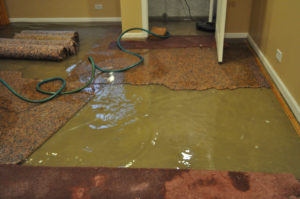 Take a moment to review your exposures with your independent insurance agent and allow him or her to offer you the proper coverages – such as water backup of sewers and drains – that are needed to protect your home.
 It’s next to impossible to watch any type of TV programming without seeing a commercial advertising how you can save money on your insurance. So should you really purchase your insurance policy based upon the cheapest price?